Topic
Underwriting Automation
Underwriting automation moves risk selection from a human reading a submission to a system that pulls data, applies rules and routes only the genuine exceptions to an underwriter. This hub covers what works, where it breaks, and how to govern it.
The short version
- Most programmes start with a rules engine and data prefill, then layer models on top.
- Question reduction is the visible win: a 40-question application can often become 5.
- Referral rates matter more than automation rates — the aim is fewer, better human decisions.
- Model governance, bias testing and documented rating factors are now table stakes with regulators.
- Underwriter trust is earned through explainability, not accuracy alone.
What is underwriting automation?
Underwriting automation replaces manual submission review with a pipeline: data is pulled about the risk, rules test eligibility and appetite, models price or score it, and only exceptions reach an underwriter. It ranges from simple auto-decline of out-of-appetite risks through to full auto-bind for standard SME policies. The purpose is not to remove underwriters but to concentrate their time on risks where judgement changes the outcome.
Where does the data come from?
Prefill is what makes automation feel effortless: company registries, credit and financial data, property characteristics and aerial imagery, vehicle databases, telematics, medical prescriptions history, and increasingly the applicant's own systems via API. Every question you can answer from data is a question you can delete from the application. The trade-off is data cost per quote, which needs to be managed by calling expensive sources only after cheap eligibility rules pass.
Rules engine or AI model — which first?
Rules first, almost always. A rules engine encodes appetite and eligibility, is fully explainable, and can be changed by an underwriter without a data science cycle. Models earn their place afterwards, for pricing refinement, risk scoring and prioritising submissions. Attempting model-led underwriting before the rules are codified leaves nothing to fall back on when the model is uncertain.
How do you govern automated underwriting decisions?
Document the rating factors and prove none are prohibited or a proxy for a protected characteristic. Test outcomes across demographic segments and record the results. Keep every decision reproducible: version the rules, the model and the input data so any historic quote can be reconstructed. Give the customer a route to human review. Most regulators do not prohibit automated underwriting — they prohibit not being able to explain it.
How do you get underwriters to trust the system?
Show the reasoning, not just the answer: which rule fired, which data point drove the score, what the confidence is. Let underwriters override with a recorded reason, then feed the overrides back as the highest-value training signal you have. Measure referral quality — if underwriters agree with the machine on 95% of referrals, the thresholds are set too conservatively.
Videos on Underwriting Automation
No videos tagged to this topic yet.
Read more on InsurTech360
Visit InsurTech360
InsurTech360
Agents, Agents Everywhere: Governing the Next Era of AI in Insurance
By Matthew Twist, VP Sales EMEA, Earnix Agentic AI is gaining considerable momentum, alongside growing concern among insurers and regulators about autonomy, accountability and control. Technology providers need to address those concerns directly, moving the co

InsurTech360
Smart follow for specialty insurance is just the start – smart trading is the direction of travel
Smart follow for specialty insurance is just the start – smart trading is the direction of travel By Gilbert Harrap, CEO, Insurx When Lloyd’s set out its new 2026–2030 strategy in April, it felt like a subtle but important shift in tone. The headlines, underwr
InsurTech360
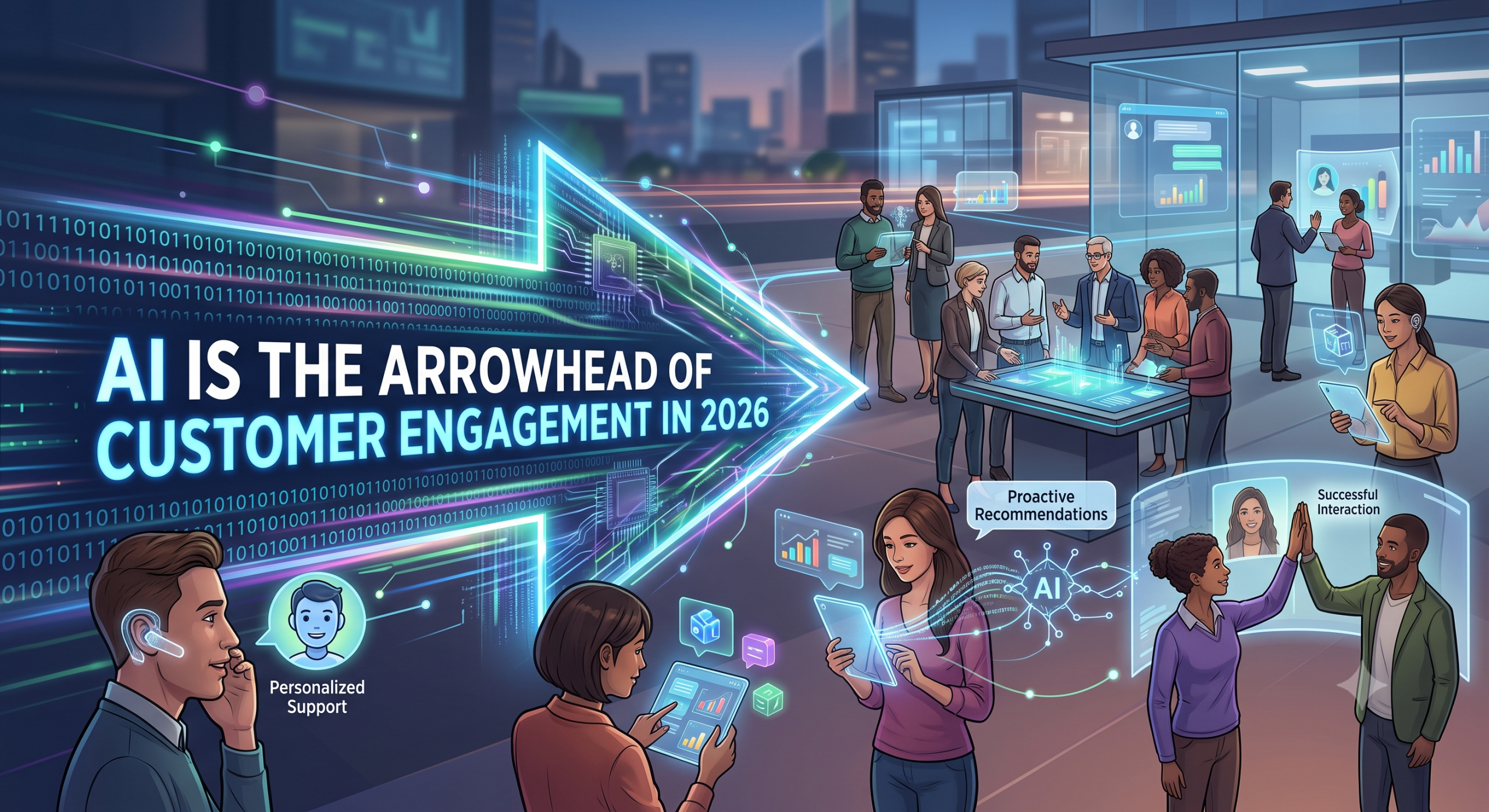
AI is the Arrowhead of Customer Engagement in 2026
By Christophe Bourguignat, Director of Product, AI, Earnix For insurers, customer engagement used to be a downstream activity. It was a marketing function, a communications exercise, or a service commodity sitting on top of pricing and underwriting. Today, AI

InsurTech360
The Rise of the Intelligent Program: Why Technology, Discipline, and Data Will Define the Next Era of Delegated Authority
Program Manager Conference & Awards 2026 | May 21 | Convene Brookfield Place, New York The delegated authority market is no longer a niche corner of insurance. It has become one of the most dynamic, entrepreneurial, and strategically important sectors across t

InsurTech360
AI is the Arrowhead of Customer Engagement in 2026
For insurers, customer engagement used to be a downstream activity. It was a marketing function, a communications exercise, or a service commodity sitting on top of pricing and underwriting. Today, AI has moved engagement upstream. It shapes who gets an offer,

InsurTech360
Operations & Talent: The Age of AI and the Rise of the Bionic Agent
Operations & Talent: The Age of AI and the Rise of the Bionic Agent The insurance industry has spent decades optimizing process. Now it is being forced to rethink people. Artificial intelligence is no longer a future-state experiment quietly piloted in innovat
Frequently asked questions
What is underwriting automation?
It is the use of data prefill, rules engines and models to assess and price risk with little or no manual review, routing only exceptions to a human underwriter. It ranges from automatic decline of out-of-appetite submissions to full auto-bind for standard risks.
How do you reduce the number of application questions?
Replace questions with data. Anything obtainable from a registry, a credit file, imagery, a vehicle database or the customer's own connected systems should not be asked. Then delete questions that never change the price — measure each question's contribution to the rating outcome and drop the ones that do not move it.
Will AI replace underwriters?
It changes the job rather than removing it. Volume risk selection is increasingly machine-led, while underwriters concentrate on complex and large risks, appetite strategy, portfolio steering, broker relationships and governing the models themselves. The scarce skill is becoming the ability to interrogate a model's output.
What are the biggest reasons automation programmes fail?
Automating a broken process rather than redesigning it; poor data quality upstream; models built without underwriter involvement, which nobody then trusts; and no measurement of referral quality, so the system either refers everything or nothing useful.
Related topics
Claims Automation
Claims is where policyholders find out what an insurer is actually worth. Automation is now reshaping every step of it, from first notice of loss to payment. This hub answers the questions carriers and vendors ask most, and links to the talks and demos worth watching.
Embedded Insurance
Embedded insurance puts cover at the point of sale: in a checkout flow, a booking confirmation, a car dashboard, a payroll system. It is the fastest-growing distribution channel in the industry and the hardest to get commercially right. Start here.
Parametric Insurance
Parametric cover pays a fixed amount when a measurable index crosses a threshold — wind speed, rainfall, earthquake magnitude, flight delay. No adjuster, no proof of loss, payment in days. It is where climate risk, data and insurance meet.
Cyber Insurance
Cyber is the line where underwriting, security engineering and claims response collide. Pricing has swung hard in both directions since 2020 and risk selection now leans on live security telemetry. Here is what the market is saying.
Last reviewed 31 July 2026 by the InsurTech.TV editorial team.