Topic
Embedded Insurance
Embedded insurance puts cover at the point of sale: in a checkout flow, a booking confirmation, a car dashboard, a payroll system. It is the fastest-growing distribution channel in the industry and the hardest to get commercially right. Start here.
The short version
- Embedded insurance sells cover inside another company's purchase journey, rather than through a broker or direct site.
- Three models dominate: referral, white-label MGA, and fully integrated underwriting via API.
- Conversion beats every other metric — a well-placed offer converts 5-20x a standalone quote form.
- The partner, not the insurer, usually owns the customer relationship and the data.
- Regulatory responsibility for the sale still sits with the underwriter and the distributor's licensing.
What is embedded insurance?
Embedded insurance is cover sold inside a non-insurance purchase journey — travel cover in an airline checkout, warranty on an electronics order, liability inside a freelancer platform, gap cover on a car finance screen. The customer is already transacting and the risk is already obvious to them, so the offer is relevant at exactly the moment they feel it. Technically it is delivered through APIs that quote, bind and issue policies without leaving the partner's interface.
What are the three embedded insurance models?
Referral: the partner links to an insurer and earns a commission — quick to launch, weak conversion. White-label: the partner presents insurance under its own brand while an MGA or carrier underwrites and services it — better economics, more compliance work. Fully integrated: quote and bind happen inside the partner's own flow via API, often with underwriting data drawn from the partner's existing customer record — the highest conversion and the hardest to build. Most programmes graduate from referral to integrated once volume justifies it.
How do you integrate embedded insurance into a checkout flow?
Aim for a single additional decision. Pre-rate the risk from data the partner already holds (order value, destination, device model) so no questions are asked. Present one clear price with one benefit line and a link to full terms. Bind in the same transaction and confirm cover on the order confirmation, not in a separate email. The two most common failures are asking underwriting questions in checkout and treating the offer as an interstitial the customer must dismiss.
Who owns the customer, the data and the risk?
The partner owns the relationship and usually the data; the insurer owns the risk and the regulatory obligation for the product. That split drives every commercial negotiation — commission levels, renewal rights, claims branding and who handles the complaint when the claim is declined. Get the claims experience agreed before launch: a bad embedded claim damages the partner's core brand, which is what ends most programmes.
What conversion rates should you expect?
A well-placed embedded offer typically converts in the high single digits to low twenties as a percentage of eligible transactions, against roughly 1% for a standalone quote form driven by advertising. Attachment rate, not premium volume, is the diagnostic metric in the first year, and it is far more sensitive to placement and wording than to price.
Videos on Embedded Insurance
No videos tagged to this topic yet.
Read more on InsurTech360
Visit InsurTech360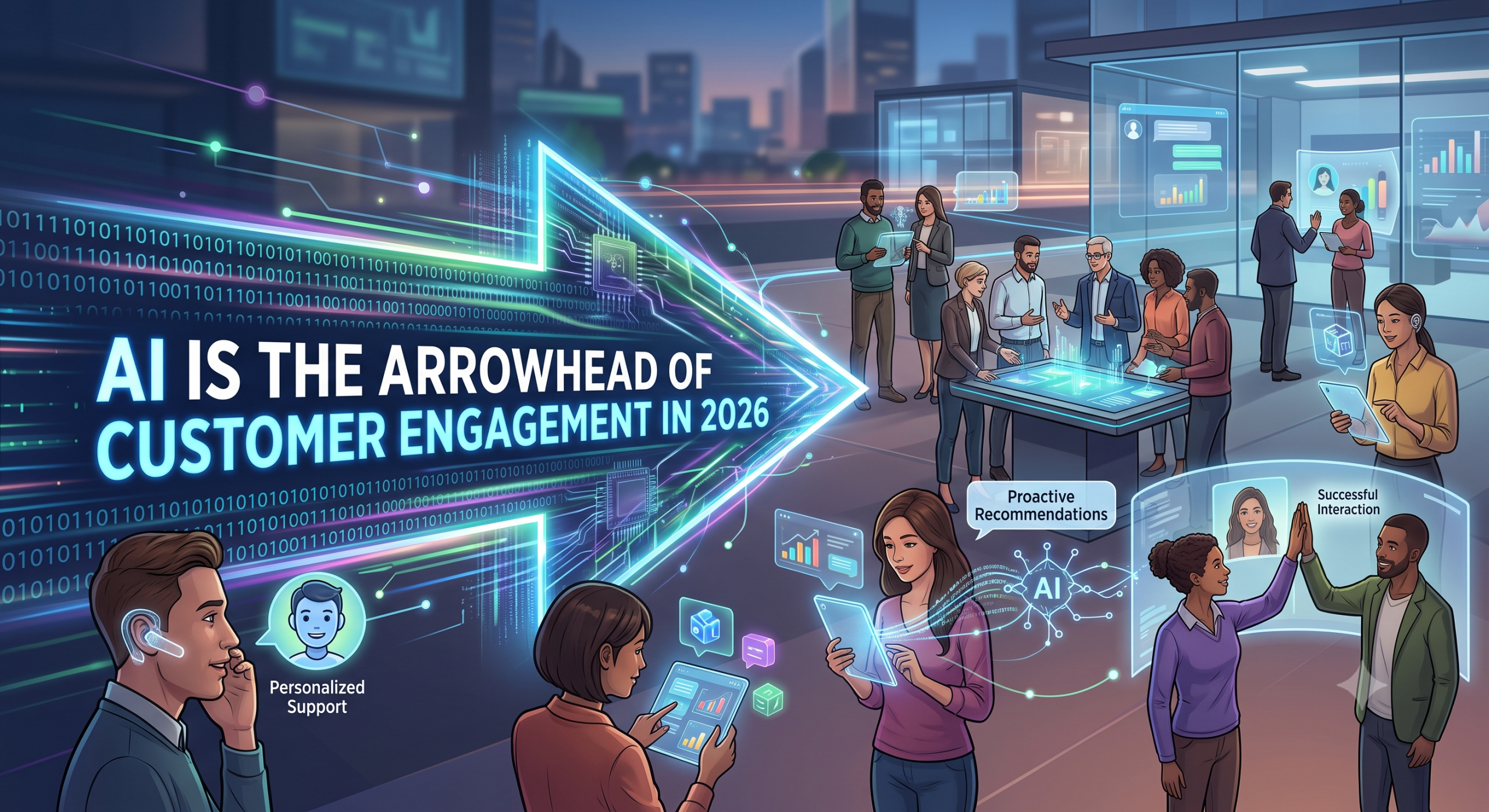
InsurTech360
AI is the Arrowhead of Customer Engagement in 2026
By Christophe Bourguignat, Director of Product, AI, Earnix For insurers, customer engagement used to be a downstream activity. It was a marketing function, a communications exercise, or a service commodity sitting on top of pricing and underwriting. Today, AI

InsurTech360
The E&S Market’s Next Evolution: From Capacity Advantage to Intelligent Execution
E&S Insurer Conference & Awards | May20 | Convene Brookfield Place, Liberty 225, New York For years, the Excess & Surplus market thrived by doing what the standard market could not. Complex risks. Emerging exposures. Speed. Flexibility. Specialized underwritin

InsurTech360
The Rise of the Intelligent Program: Why Technology, Discipline, and Data Will Define the Next Era of Delegated Authority
Program Manager Conference & Awards 2026 | May 21 | Convene Brookfield Place, New York The delegated authority market is no longer a niche corner of insurance. It has become one of the most dynamic, entrepreneurial, and strategically important sectors across t

InsurTech360
From prediction to prevention: How Previsico is rewiring the future of flood risk
There’s a quiet but meaningful shift underway in insurance. For decades, the model has always been to assess risk, price it, and pay out when something goes wrong. But as climate volatility increases, bringing more intense and less predictable weather, this ap

InsurTech360
Outlook: The Evolution of the MGA Model in the United States
The managing general agent (MGA) model has become one of the most powerful growth engines in the global insurance industry, and its evolution is particularly evident in the United States. The numbers tell their own story. US MGA premiums exceeded $114bn in 202

InsurTech360
Embedded Insurance Meets Commercial EVs: A Signal of Where the Market Is Heading
By the end of 2026, the UK is expected to see around 580,000 electric vehicles sold: close to 30% of all new car registrations. On paper, that’s a tipping point. In reality, it’s something more nuanced. Because this isn’t being driven by private consumers alon
Frequently asked questions
What is embedded insurance?
Embedded insurance is insurance sold inside another company's purchase journey rather than through a broker, agent or standalone quote site — cover offered at checkout, at booking, or inside a platform your customer already uses. It is delivered by API so the customer never leaves the partner's experience.
What is the difference between embedded insurance and bancassurance or affinity?
They sit on the same spectrum. Affinity and bancassurance market insurance to a partner's customer base, usually as a separate sales conversation. Embedded insurance puts the offer inside the transaction itself, priced from data the partner already has, and completes it in the same session. The difference is integration depth, not just channel.
Who is liable when an embedded policy goes wrong?
The underwriter carries the risk and the product governance duty; the distributing partner must be appropriately authorised or acting under an exemption or appointed-representative arrangement in its jurisdiction. Complaints usually arrive at the partner's support desk first, which is why the claims and complaints path should be designed jointly before launch.
Do you need to be an insurer to launch embedded insurance?
No. Most programmes launch with an MGA or a full-stack insurtech providing paper, pricing and servicing, while the partner provides distribution. Building a carrier is only justified once the book is large enough that the underwriting margin outweighs the capital and compliance burden.
Related topics
Claims Automation
Claims is where policyholders find out what an insurer is actually worth. Automation is now reshaping every step of it, from first notice of loss to payment. This hub answers the questions carriers and vendors ask most, and links to the talks and demos worth watching.
Parametric Insurance
Parametric cover pays a fixed amount when a measurable index crosses a threshold — wind speed, rainfall, earthquake magnitude, flight delay. No adjuster, no proof of loss, payment in days. It is where climate risk, data and insurance meet.
Underwriting Automation
Underwriting automation moves risk selection from a human reading a submission to a system that pulls data, applies rules and routes only the genuine exceptions to an underwriter. This hub covers what works, where it breaks, and how to govern it.
Cyber Insurance
Cyber is the line where underwriting, security engineering and claims response collide. Pricing has swung hard in both directions since 2020 and risk selection now leans on live security telemetry. Here is what the market is saying.
Last reviewed 31 July 2026 by the InsurTech.TV editorial team.