Topic
Claims Automation
Claims is where policyholders find out what an insurer is actually worth. Automation is now reshaping every step of it, from first notice of loss to payment. This hub answers the questions carriers and vendors ask most, and links to the talks and demos worth watching.
The short version
- Straight-through processing (STP) handles simple, low-value claims with no human touch; most carriers start at 10-30% STP and grow from there.
- The biggest early wins are document intake and data extraction, not decisioning.
- AI fraud triage scores claims at FNOL so investigators spend time on the 1-2% that matter.
- Automation only pays off when claims data is clean — data quality work usually precedes model work.
- Regulators expect explainability: every automated decision needs an auditable reason code.
What is claims automation?
Claims automation is the use of software — rules, workflow, document AI and increasingly large language models — to complete steps of the claims journey without a human touching them. In practice it spans four stages: intake (FNOL through a portal, app or API), triage (severity, complexity and fraud scoring), assessment (document extraction, damage estimation, coverage checks) and settlement (payment orchestration and recovery). Full automation of a claim end to end is called straight-through processing. Most carriers automate individual steps long before they automate a whole claim.
How do you automate claims processing, step by step?
Start by instrumenting the current process: measure cycle time and touch count for each claim type, then rank by volume times touches. Digitise intake so data arrives structured rather than as email attachments. Add document AI to extract fields from invoices, police reports and medical notes. Codify the coverage and payment rules that adjusters already apply consistently, and route everything else to a human with the extracted data pre-populated. Only then introduce predictive models for severity and fraud. Carriers that reverse this order — model first, data last — usually stall.
Which claims can be settled straight through?
High-frequency, low-severity, well-documented claims: motor glass, travel delay, device damage, simple property contents, pet and dental. The common test is whether coverage can be verified from policy data alone and quantum can be verified from a single trusted document or a fixed schedule. Bodily injury, liability and large commercial losses are poor STP candidates and are better served by automating the evidence-gathering around a human decision.
How does AI detect claims fraud?
Fraud models score a claim at FNOL against historical patterns — network links between claimants and repairers, timing relative to policy inception, text anomalies in the description, image forensics on submitted photos. The output is a triage score, not a decision: high scores route to a special investigations unit, low scores accelerate. The measurable benefit is usually investigator productivity rather than a headline reduction in fraud, and the governance requirement is that no claim is declined on a score alone.
What does good look like — the metrics that matter
Track straight-through rate by claim type, average cycle time from FNOL to payment, touch count per claim, leakage (overpayment against policy terms), reopen rate and claimant NPS. Automation that lifts STP while raising the reopen rate has moved cost, not removed it. A realistic first-year target for a personal lines book is 20-30% STP on eligible claim types with cycle time halved on the automated segment.
Videos on Claims Automation

Read more on InsurTech360
Visit InsurTech360
InsurTech360
Agents, Agents Everywhere: Governing the Next Era of AI in Insurance
By Matthew Twist, VP Sales EMEA, Earnix Agentic AI is gaining considerable momentum, alongside growing concern among insurers and regulators about autonomy, accountability and control. Technology providers need to address those concerns directly, moving the co
InsurTech360
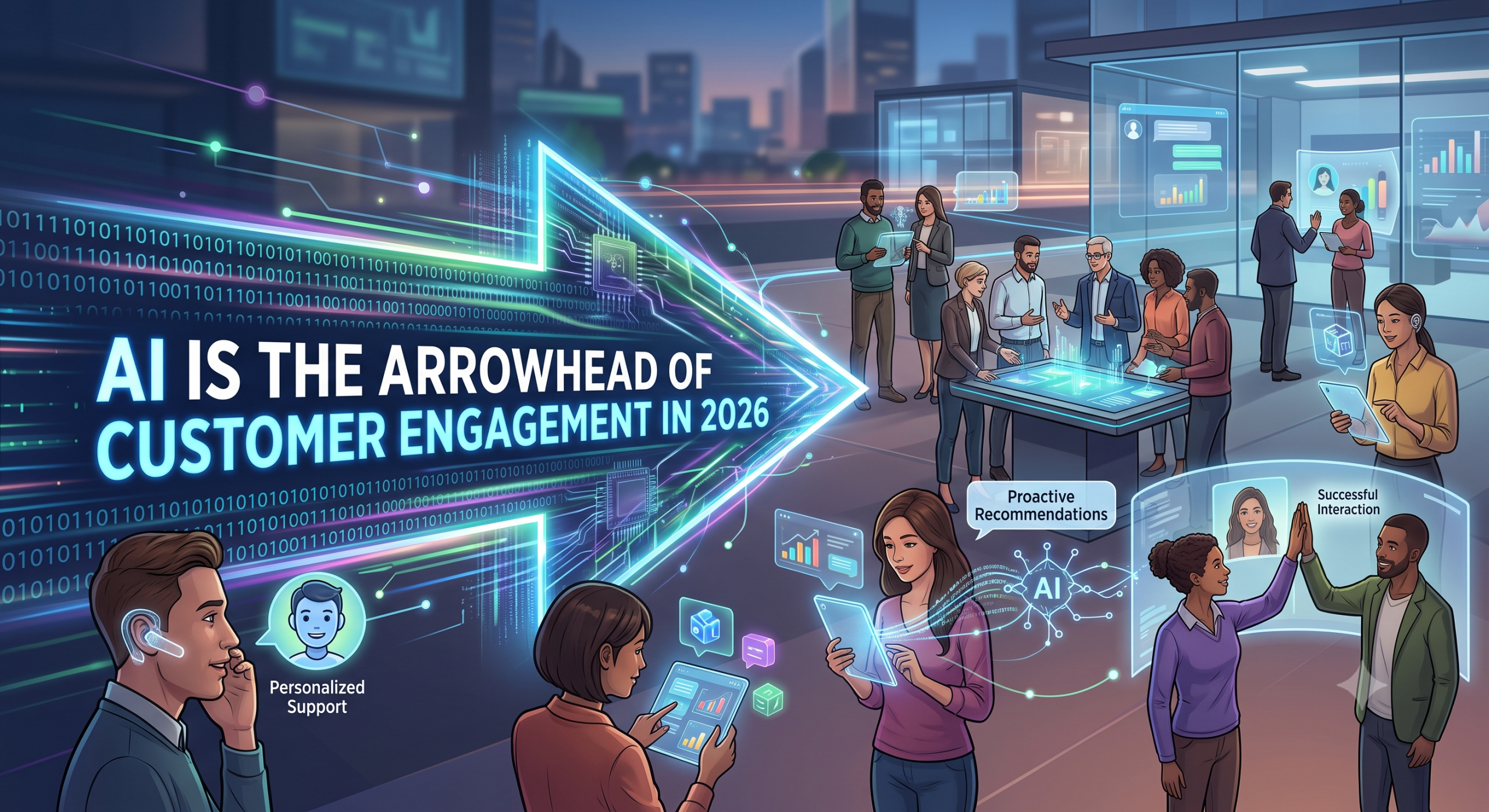
AI is the Arrowhead of Customer Engagement in 2026
By Christophe Bourguignat, Director of Product, AI, Earnix For insurers, customer engagement used to be a downstream activity. It was a marketing function, a communications exercise, or a service commodity sitting on top of pricing and underwriting. Today, AI

InsurTech360
The Rise of the Intelligent Program: Why Technology, Discipline, and Data Will Define the Next Era of Delegated Authority
Program Manager Conference & Awards 2026 | May 21 | Convene Brookfield Place, New York The delegated authority market is no longer a niche corner of insurance. It has become one of the most dynamic, entrepreneurial, and strategically important sectors across t

InsurTech360
Closing the Data Gap: Why Precision is the Antidote to Claims Leakage
Moving from manual guesswork to automated intelligence in propertyclaims Across the insurance industry, the focus has shifted from simple claims processing to claims precision. With social inflation rising and supply chains remaining volatile, carriers are und
InsurTech360
AI is the Arrowhead of Customer Engagement in 2026
For insurers, customer engagement used to be a downstream activity. It was a marketing function, a communications exercise, or a service commodity sitting on top of pricing and underwriting. Today, AI has moved engagement upstream. It shapes who gets an offer,

InsurTech360
Human in the Loop, On the Loop, and Everywhere in Between
Orla Nixon of New York Life on why AI in insurance must amplify empathy, not replace it As use of artificial intelligence accelerates across the insurance value chain, the industry finds itself wrestling with a deceptively simple question: where does the human
Frequently asked questions
What is automated claims processing?
Automated claims processing is the handling of a claim — or specific steps within it — by software rather than a person. It covers digital first notice of loss, automatic coverage verification, AI extraction of data from documents and photos, rules-based settlement calculation and automated payment. When every step completes without human involvement, the claim is said to have been settled straight through.
How much of the claims process can realistically be automated?
For a personal lines book, 20-40% of claims by count can typically be settled straight through once intake is digital and simple claim types are codified — but that represents a much smaller share of paid loss, because the automated claims are the small ones. Complex, high-severity and injury claims stay with humans; automation there means faster evidence gathering, not autonomous decisions.
Does claims automation reduce headcount?
Rarely directly. Most carriers redeploy adjuster capacity onto complex claims and customer contact rather than cutting it, because the automated segment was never where the loss cost sat. The financial case is usually built on cycle-time reduction, leakage control and improved retention rather than on salary savings.
Is an AI claims decision allowed by regulators?
Broadly yes, with conditions. Regulators expect an auditable reason for every decision, no reliance on prohibited or proxy rating factors, a route to human review, and evidence that outcomes have been tested for bias. Declining a claim solely on a model score without human review is the pattern most likely to attract scrutiny.
Related topics
Embedded Insurance
Embedded insurance puts cover at the point of sale: in a checkout flow, a booking confirmation, a car dashboard, a payroll system. It is the fastest-growing distribution channel in the industry and the hardest to get commercially right. Start here.
Parametric Insurance
Parametric cover pays a fixed amount when a measurable index crosses a threshold — wind speed, rainfall, earthquake magnitude, flight delay. No adjuster, no proof of loss, payment in days. It is where climate risk, data and insurance meet.
Underwriting Automation
Underwriting automation moves risk selection from a human reading a submission to a system that pulls data, applies rules and routes only the genuine exceptions to an underwriter. This hub covers what works, where it breaks, and how to govern it.
Cyber Insurance
Cyber is the line where underwriting, security engineering and claims response collide. Pricing has swung hard in both directions since 2020 and risk selection now leans on live security telemetry. Here is what the market is saying.
Last reviewed 31 July 2026 by the InsurTech.TV editorial team.